
Home & Garden · October 2, 2026
How to Grow a Backyard Medicinal Garden: 10 Essential Healing Plants for Beginners
Learn how to create your own backyard apothecary. Discover the 10 essential medicinal plants you can easily grow at home for natural health and self-reliance.
This article contains affiliate links. If you buy through them we may earn a commission at no extra cost to you. Learn more
In recent years, more people than ever have turned toward holistic wellness, self-reliance, and natural alternatives for everyday well-being. From soothing a restless night’s sleep to easing everyday aches, natural remedies have stood the test of time.
Yet, buying high-quality organic herbal teas, tinctures, and salves from specialty stores can quickly become expensive. What if you could step into your backyard or balcony and harvest fresh, chemical-free herbal remedies whenever you needed them?
Starting a home medicinal garden is far simpler than most people realize. Here is a breakdown of why growing your own healing herbs makes sense, the 10 most versatile plants to start with, and how an all-in-one seed kit makes the process effortless.
Why Grow Your Own "Backyard Pharmacy"?
- Purity & Potency: Commercially packaged herbs often sit in transit and warehouses for months, losing their essential oils and potency. Homegrown herbs are harvested at peak vitality.
- True Self-Reliance: Knowing how to propagate and harvest natural wellness plants gives your household long-term peace of mind.
- Perennial Value: Most medicinal herbs are resilient perennials or self-seeding annuals. Once established, they return year after year with minimal maintenance.
- Dual Beauty & Garden Health: Plants like Lavender, Calendula, and Echinacea don't just provide herbal benefits—they attract vital pollinators and add vibrant color and aroma to your outdoor space.
10 Essential Medicinal Herbs Every Beginner Should Grow
1. Chamomile (Matricaria chamomilla)
Primary Uses: Calming nerves, digestive relaxation, promoting deep sleep.
How It's Used: Dried flower heads brewed as a calming evening tea or infused into skin-soothing oils.
2. Lavender (Lavandula angustifolia)
Primary Uses: Stress relief, soothing minor skin irritations, aromatherapy.
How It's Used: Essential oils, sachets for restful sleep, or blended into herbal baths and teas.
3. Echinacea (Echinacea purpurea)
Primary Uses: Immune defense, seasonal wellness support.
How It's Used: Roots, leaves, and petals dried for immune-boosting teas and tinctures.
4. Calendula (Calendula officinalis)
Primary Uses: Skin regeneration, healing scrapes, soothing dry or irritated skin.
How It's Used: Bright orange and yellow petals infused into carrier oils, salves, and balms.
5. California Poppy (Eschscholzia californica)
Primary Uses: Mild nervous tension relief, supporting peaceful, uninterrupted sleep.
How It's Used: A gentle tea or tincture; non-narcotic and safe for relaxation.
6. Yarrow (Achillea millefolium)
Primary Uses: Traditional first-aid, minor wound care, supporting healthy circulation.
How It's Used: Fresh crushed leaves as a poultice, or dried for therapeutic infusions.
7. Marshmallow (Althaea officinalis)
Primary Uses: Soothing throat irritation, respiratory comfort, gut-lining support.
How It's Used: Cold-water root infusions that yield a natural, protective mucilage.
8. Feverfew (Tanacetum parthenium)
Primary Uses: Easing head tension and everyday stress-induced headaches.
How It's Used: Fresh leaves in moderation or dried for preventative herbal preparations.
9. Evening Primrose (Oenothera biennis)
Primary Uses: Skin elasticity, hormonal balance, soothing joint stiffness.
How It's Used: Seeds cold-pressed for GLA-rich oil; leaves used in herbal infusions.
10. Chicory (Cichorium intybus)
Primary Uses: Liver and digestive support, prebiotic inulin source, caffeine-free coffee substitute.
How It's Used: Roasted taproots brewed into a rich, dark beverage.
The Easiest Way to Start: The All-in-One Medicinal Garden Kit
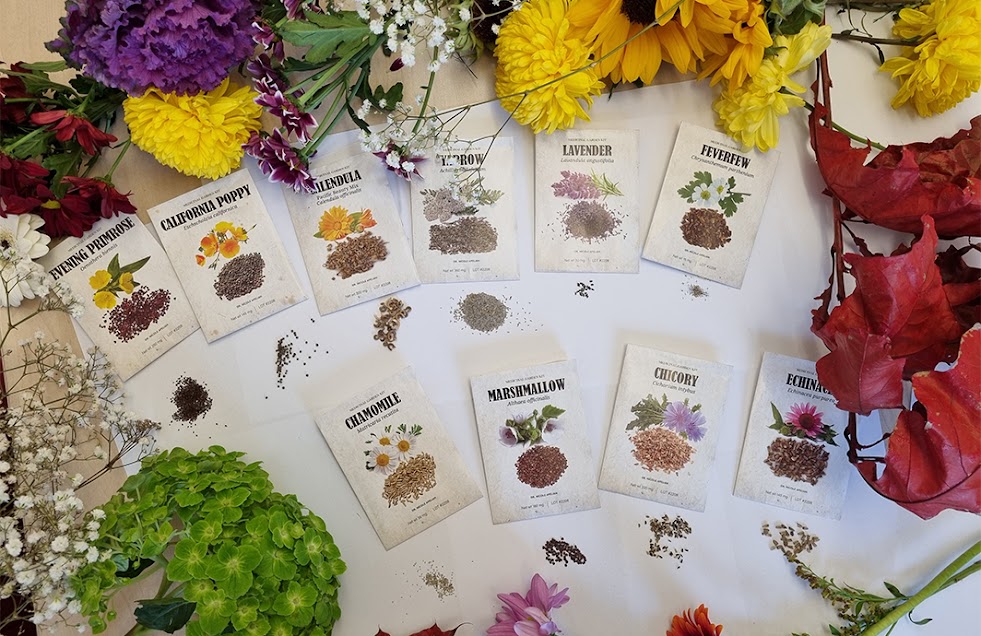
Sourcing separate heirloom, non-GMO seed packets from multiple seed catalogs can quickly add up in cost and shipping fees. If you want to start without the guesswork, the Medicinal Garden Kit bundles all 10 of these exact herbal varieties into a complete package:
- 10 Specially Selected Seed Packets: California Poppy, Lavender, Echinacea, Calendula, Yarrow, Chamomile, Marshmallow, Feverfew, Evening Primrose, and Chicory.
- High Germination Non-GMO Seeds: Packaged for long shelf life and reliable home garden success.
- Free Herbal Guidebook: Instructions on planting depths, light requirements, harvesting, and turning plants into salves, tinctures, and teas.
👉 Check Out the Medicinal Garden Kit ($59.00)
3 Quick Tips for Growing Herbs in Containers
- Prioritize Sunlight: Most medicinal herbs thrive in full sun (6–8 hours daily).
- Ensure Good Drainage: Always use pots with drainage holes to prevent root rot.
- Harvest in the Morning: Pick leaves and flowers after the morning dew dries for the highest concentration of essential oils.
Frequently Asked Questions
Can I grow these medicinal herbs in pots or containers?
Yes. Varieties like Chamomile, Calendula, Lavender, and California Poppy thrive in medium-sized pots on sunny patios or balconies.
Are these plants perennial?
Many of these herbs (such as Lavender, Echinacea, Yarrow, and Chicory) are hardy perennials that return year after year, while others like Calendula are prolific self-seeders.
Disclaimer: This article is for informational purposes only and does not substitute professional medical advice. Always consult a healthcare professional before using herbal remedies.
Disclosure: This post contains affiliate links. If you make a purchase through these links, Eva's Trendify Hub may earn a small commission at no additional cost to you.